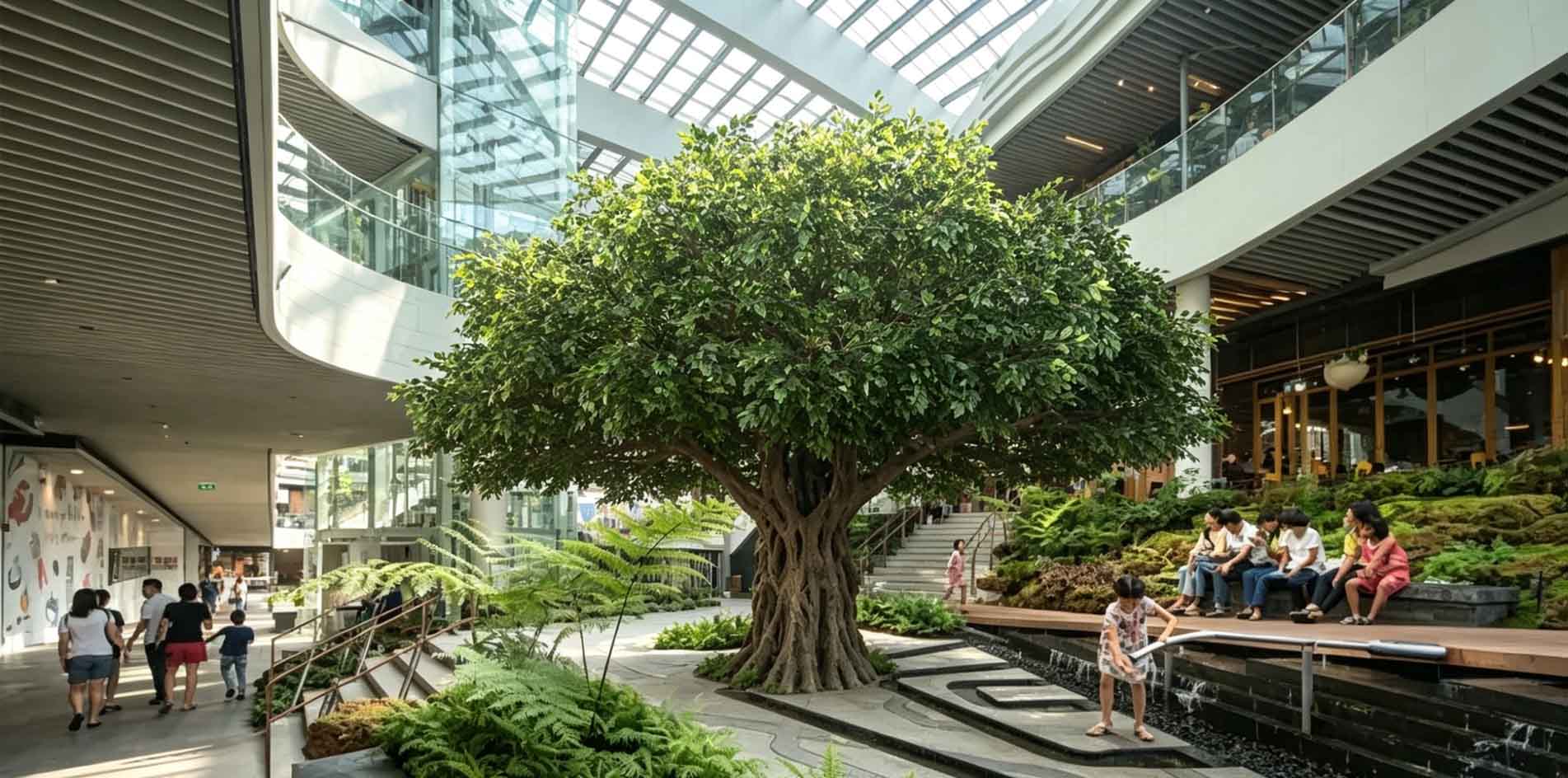
Are fire retardant artificial plants suitable for hotels, offices, and commercial interiors?
Yes. Fire retardant artificial plants can be a practical decorative option for commercial spaces where fire safety is an important consideration. They combine the visual appeal of greenery with materials or treatments designed to reduce flame spread and improve fire performance.
From hotel lobbies and office reception areas to shopping malls and restaurants, these plants offer a way to introduce greenery while considering the specific safety requirements of the building.
However, fire retardant does not mean fireproof. Buyers should always check the relevant fire test reports and ensure that the products meet the requirements of their intended application and local regulations.
1.What You Need to Know at a Glance
- Safety First: Fire retardant materials or treatments can help reduce the risk of flame spread.
- Commercial Applications: Suitable options can be considered for hotels, offices, restaurants, retail stores, and public interiors.
- Material Selection Matters: Different leaf, flower, and trunk materials may have different fire performance.
- Certification Is Important: Always check test reports and applicable fire safety standards rather than relying only on product descriptions.
- Low Maintenance: Artificial greenery maintains its decorative appearance without watering, sunlight, or regular pruning.
- Flexible Design: Various plant styles, sizes, and arrangements can complement different commercial interiors.
2.1 Why Do Commercial Spaces Need Fire Retardant Artificial Plants?
In commercial environments, decorative materials are not selected based on appearance alone. Hotels, offices, restaurants, and shopping centers often need to consider fire safety, building regulations, and material performance.
Artificial plants are widely used in interior decoration, but conventional synthetic materials may be combustible. Choosing products with verified fire-retardant performance can help reduce potential fire risks.
This is particularly important in areas such as:
- Hotel lobbies and reception areas
- Office entrances and meeting rooms
- Restaurant dining areas
- Shopping mall corridors and atriums
- Exhibition halls and event venues
- Commercial green walls and decorative installations
Fire performance should be considered alongside installation location, surrounding materials, and the overall fire protection plan of the building.
2.2 What Makes Artificial Plants Fire Retardant?
Fire retardant artificial plants generally achieve improved fire performance through material selection, flame-retardant additives, or specialized treatments.
Several components may need to be considered:
1. Leaf Materials
Artificial leaves are commonly made from PE, PVC, fabric, or other synthetic materials. Their fire performance varies depending on the formulation and any additional treatment used.
2. Flower Materials
Fabric flowers and synthetic petals may respond differently to heat and flame. For projects requiring fire performance, the flower material should also be included in the relevant testing scope.
3. Trunks and Branches
Artificial tree trunks may use natural wood, plastic, fiberglass, or metal structures. Different materials have different combustion characteristics, so the complete product design matters.
2.3 Where Can Fire Retardant Artificial Plants Be Used?
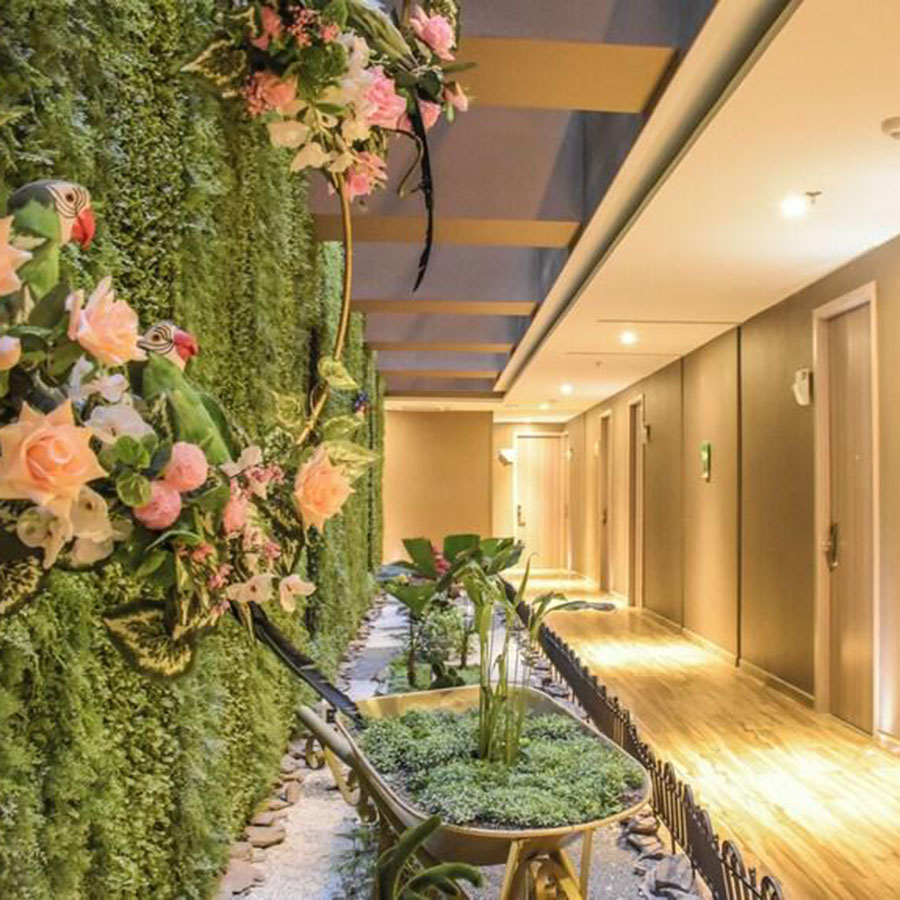
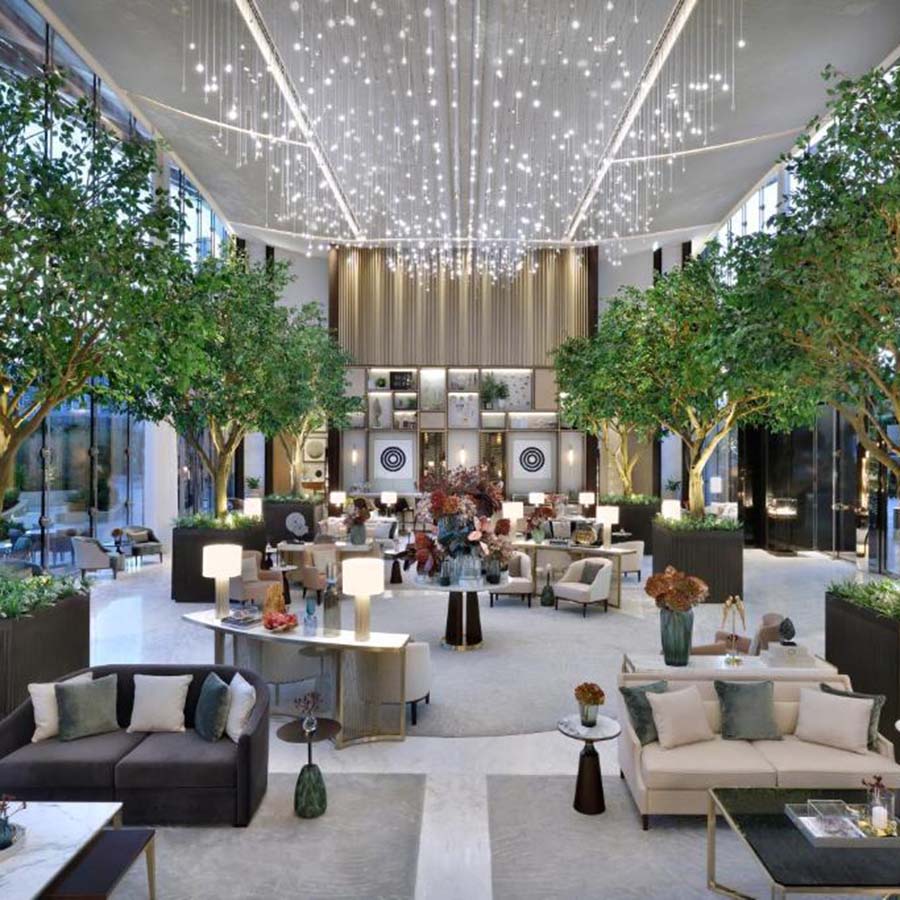
Hotels often use greenery to create a welcoming and relaxing atmosphere. Large artificial trees, potted plants, and decorative flower arrangements can enhance reception areas, lounge spaces, and guest facilities.
For hotels with specific fire safety requirements, verified material performance should be considered during product selection.
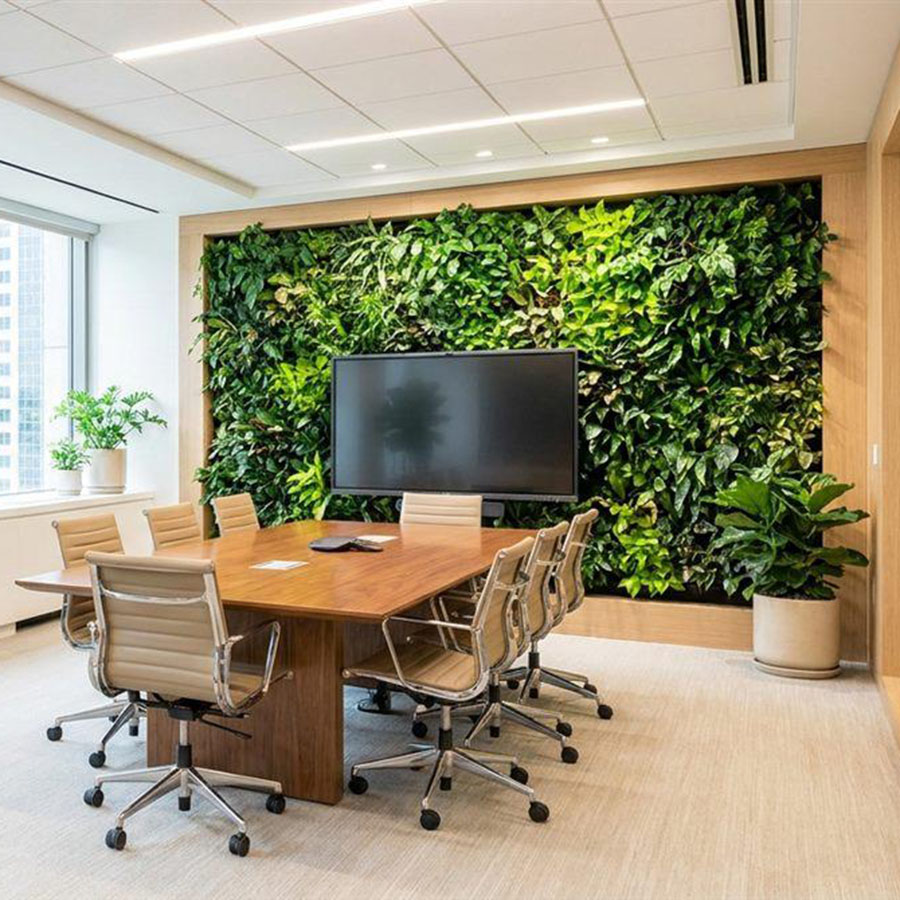
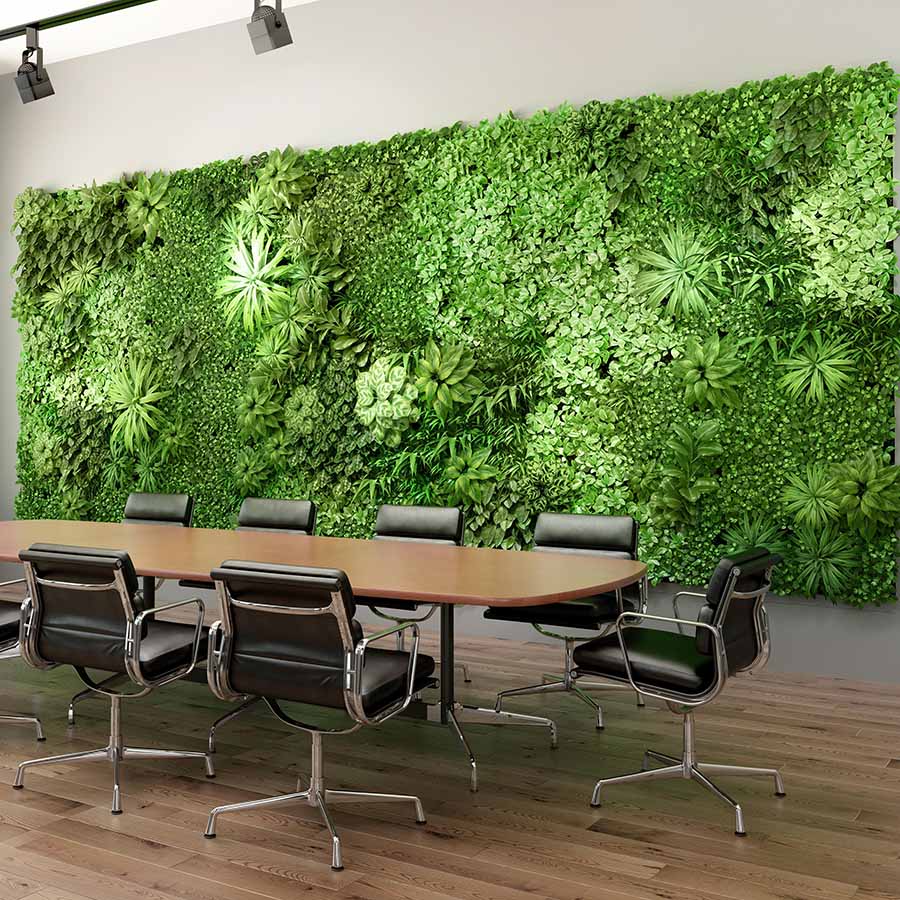
Artificial greenery can make offices feel more comfortable and visually appealing. Reception desks, meeting rooms, workspaces, and shared lounges are all suitable areas for decorative plants.
Low maintenance is another advantage, especially for businesses that want a consistent green appearance without ongoing plant care.
- Restaurants and Retail Stores
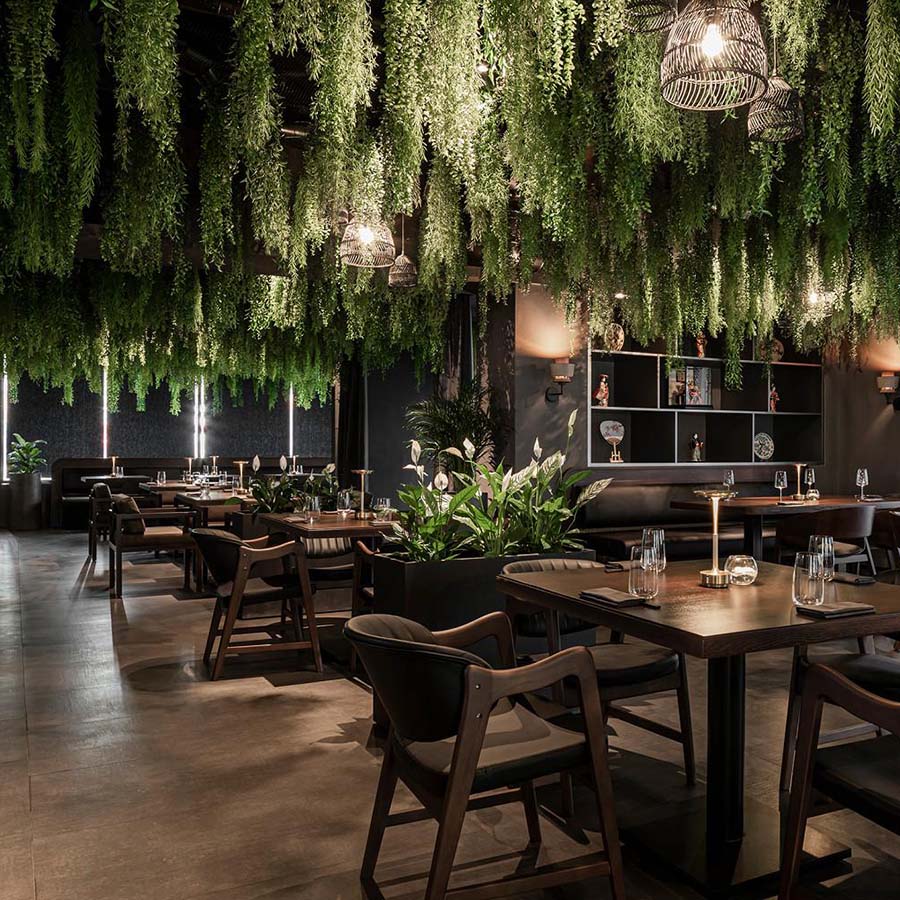
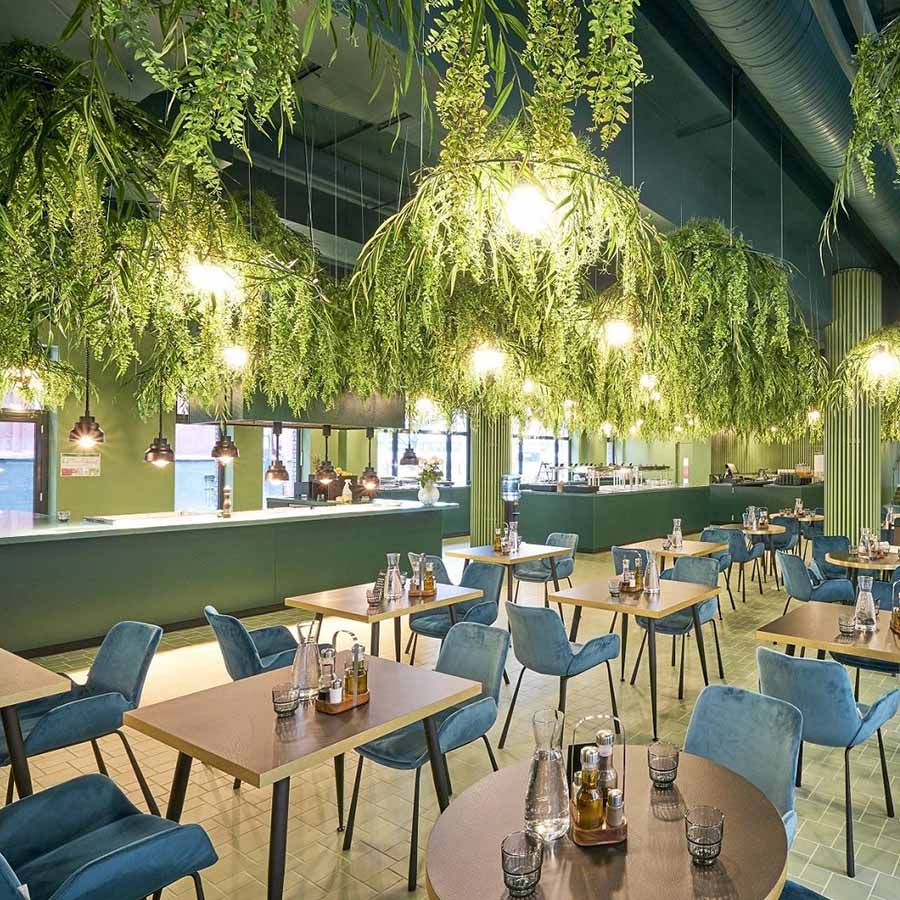
Restaurants and retail spaces often use plants to create visual identity and improve the customer experience. Artificial hanging plants, flower arrangements, green walls, and potted trees offer flexible decorative possibilities.
For these environments, buyers should consider both fire performance and practical factors such as cleaning, installation, and exposure to heat sources.
2.4 Benefits Beyond Fire Performance
Fire safety is an important consideration, but commercial buyers also need products that are practical and visually appealing.
Consistent Appearance
Artificial plants maintain their shape and color without depending on seasonal changes or natural growing conditions.
Reduced Maintenance
No watering, fertilizing, or pruning is required, helping reduce routine maintenance work.
Flexible Placement
Artificial plants can be used in areas with limited natural light, including windowless offices, corridors, and interior reception spaces.
Long-Term Decorative Value
With proper use and care, quality artificial plants can maintain an attractive appearance for years.
Customizable Designs
Different plant varieties, heights, pot styles, and arrangements can be selected to match a project's interior design.
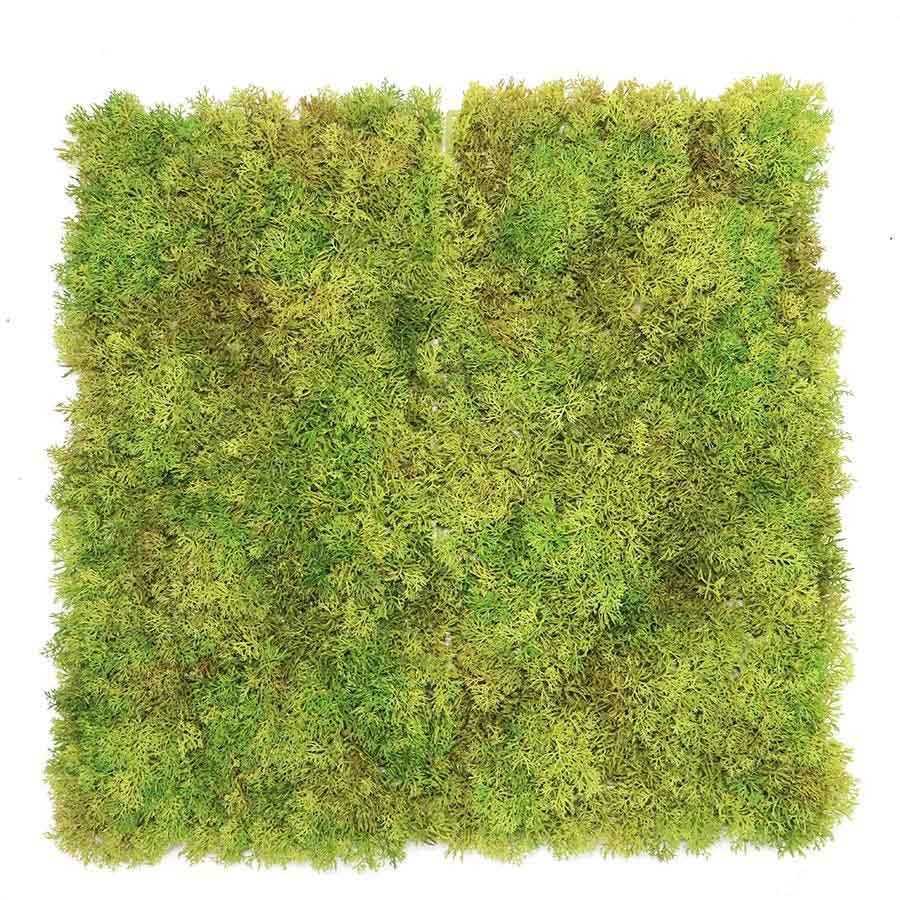
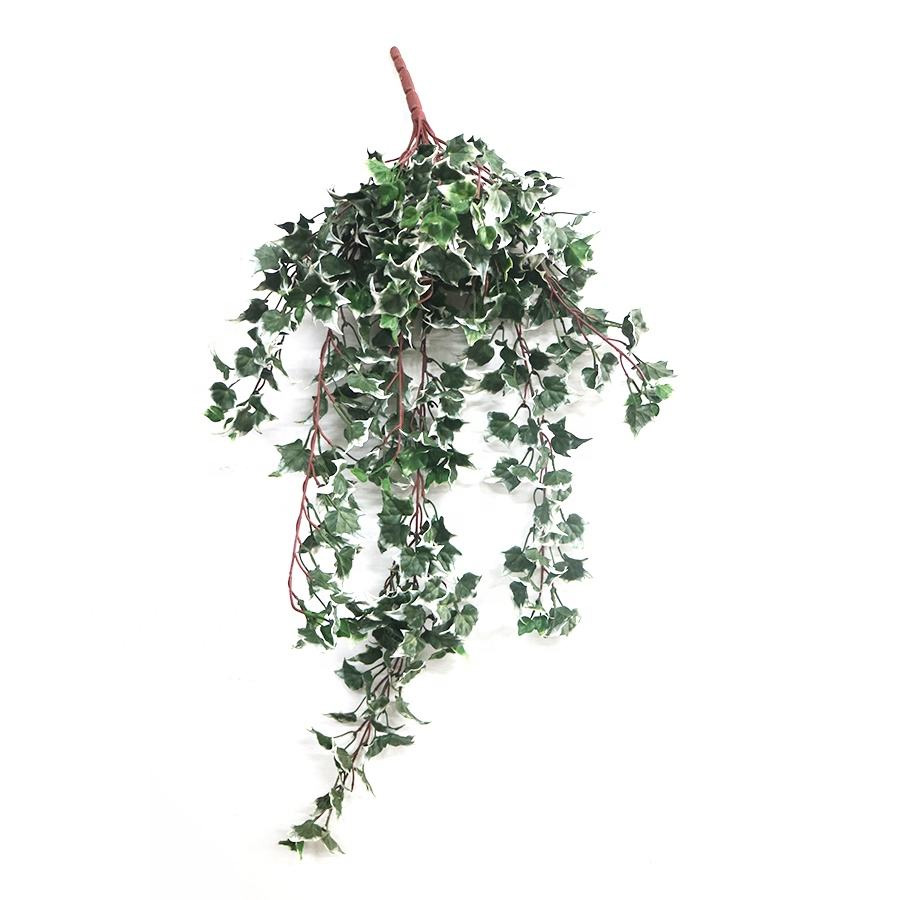
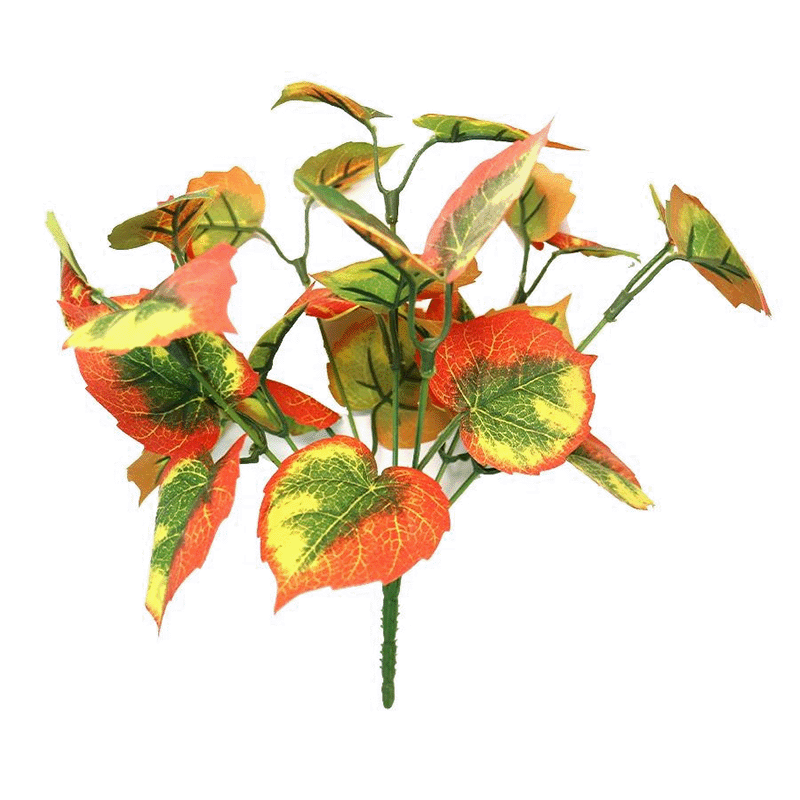
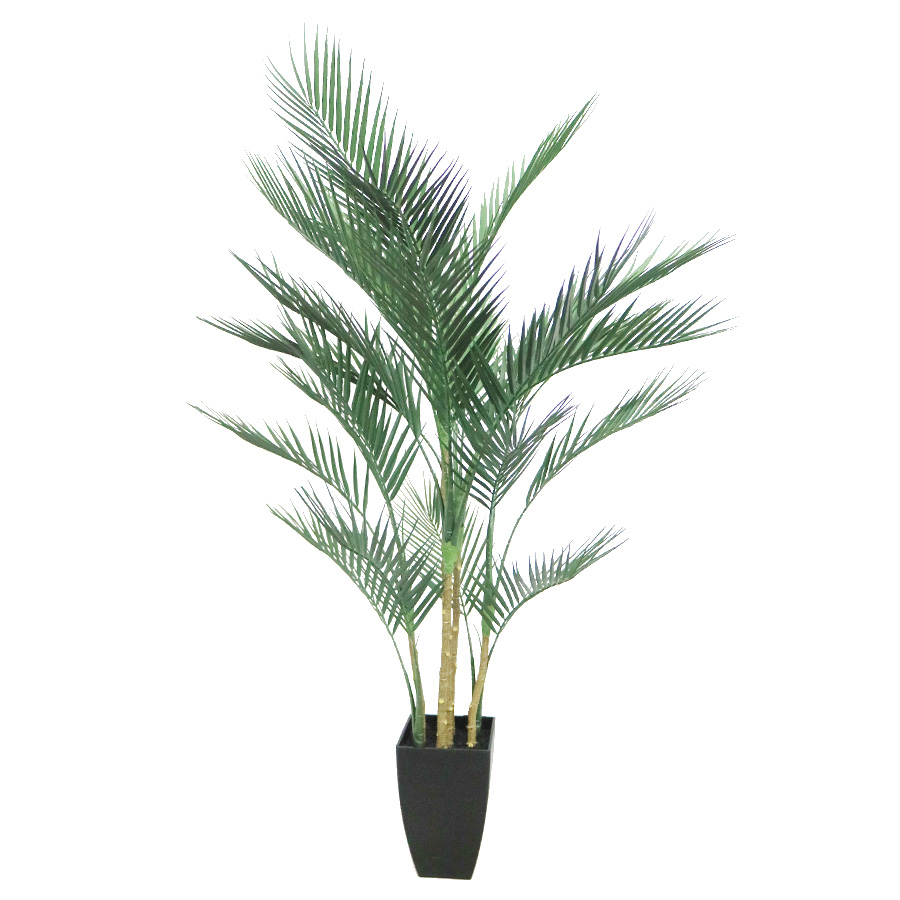
Fire retardant artificial plants offer an attractive way to introduce greenery into hotels, offices, and commercial interiors while taking fire safety requirements into consideration.
For commercial buyers, the right choice involves more than selecting realistic-looking plants. Material composition, flame-retardant treatment, testing documentation, installation requirements, and overall product quality should all be considered.
By working with an experienced artificial plant manufacturer, businesses can explore suitable decorative solutions that balance appearance, practicality, and project-specific safety requirements.
Whether you are sourcing artificial trees, potted plants, flower arrangements, or custom green walls, choosing the right materials and understanding fire performance are essential steps toward a successful commercial decoration project.